
Engineers Transform Dredged Sediment into 3D-Printed Oyster Reefs in Alabama
Written with artificial intelligence.
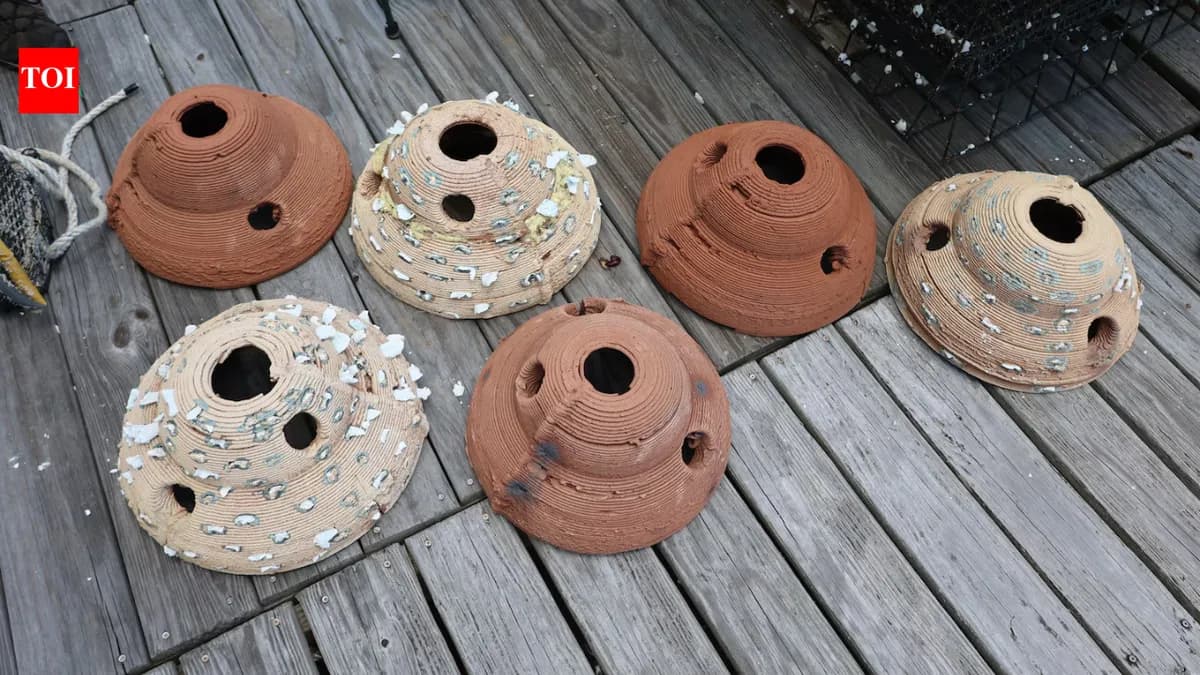
In a novel approach, engineers in Mobile Bay, Alabama, are repurposing dredged river sediment to create dome-shaped reefs aimed at aiding oyster recovery. This initiative by the United States Army Corps of Engineers marks a significant shift in how sediment is utilized, turning waste into a beneficial habitat.
Innovative Use of Dredged Sediment
Engineers have traditionally viewed the millions of cubic yards of sediment extracted from U.S. shipping channels each year as waste. However, in Mobile Bay, Alabama, the United States Army Corps of Engineers is testing a groundbreaking idea: using this dredged material to 3D-print dome-shaped reefs designed to support the recovery of oyster populations.
Testing Six Structures
Currently, six of these 3D-printed oyster reefs are undergoing tests in the bay. This initiative not only aims to enhance local marine ecosystems but also represents a strategic shift in sediment management practices. By converting sediment into functional habitats, the project seeks to foster a healthier environment for oysters, which play a crucial role in the aquatic ecosystem.
Potential Impact
If successful, this project could pave the way for similar efforts in other regions, effectively turning an environmental challenge into an opportunity for marine restoration. The outcome of these tests will be closely monitored to assess the viability of using dredged sediment in 3D-printed structures for ecological purposes.