
Detroit Arsenal Trials 3D Printed Panels for Energy Efficiency
Written with artificial intelligence.
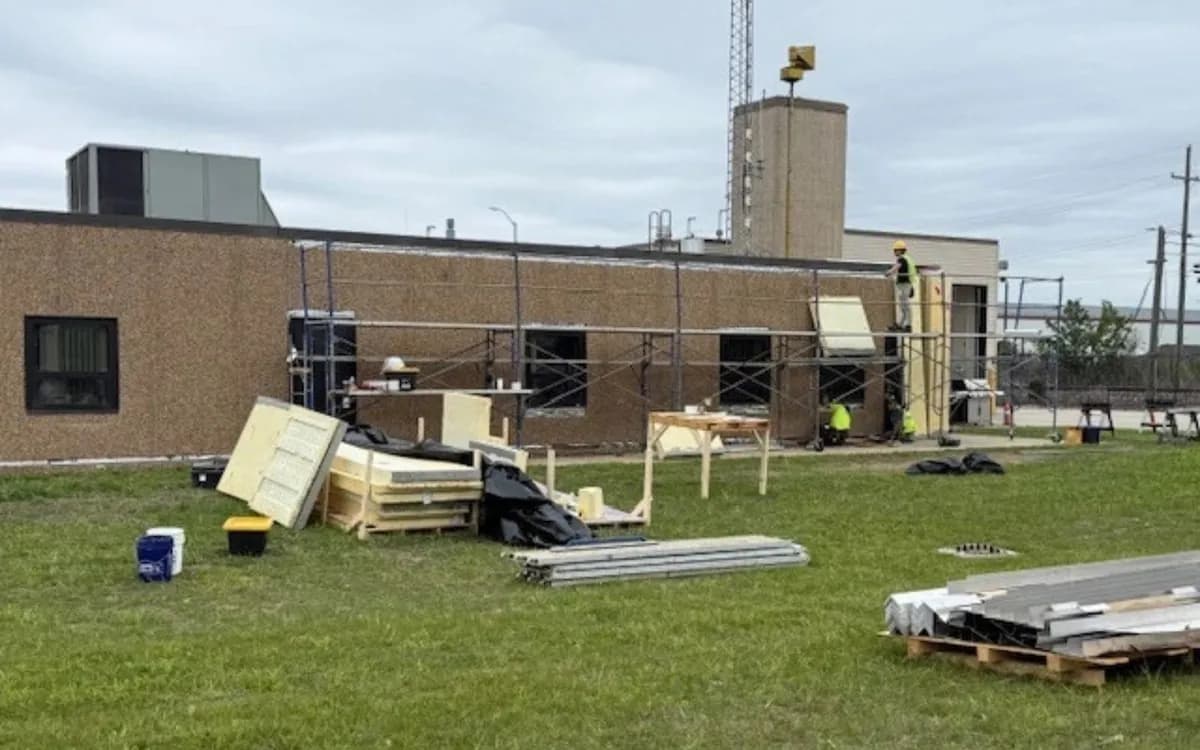
The Detroit Arsenal in Warren, Michigan, is testing a new energy-efficient retrofit featuring 3D printed exterior wall panels. Supported by the Environmental Security Technology Certification Program, this initiative aims to reduce heating and cooling energy consumption by over 65%.
Overview of the Pilot Program
The U.S. Army’s Detroit Arsenal is implementing a pilot project aimed at enhancing energy efficiency by enveloping existing buildings in 3D printed exterior wall panels. This initiative is funded by the Environmental Security Technology Certification Program (ESTCP) and is designed to decrease energy use for heating and cooling by more than 65%.
Innovative Manufacturing Techniques
John Cupp, the Directorate of Public Works Director at Detroit Arsenal, highlighted the historical significance of the installation in demonstrating American manufacturing prowess during World War II. Today, the focus is on leveraging advanced additive manufacturing to improve energy resilience without disrupting ongoing operations.
To create the panels, engineers utilized Terrestrial Light Detection and Ranging (LiDAR) technology to gather extensive data, producing a precise digital twin of the building facade. This allowed for custom panel designs that fit the existing structures. The panels were manufactured through Direct Digital Fabrication, which significantly reduced material use and production time compared to traditional methods.
Benefits and Future Implications
The off-site fabrication of these panels enables installation without the need for extensive interior renovations, making the process less disruptive for occupants. The project aims for a 50% reduction in heating loads, potentially saving between $3.98 and $4.84 per square meter annually. This efficiency is particularly beneficial for installations in colder climates, making electrified heating more feasible.
The pilot demonstration is set for completion in 2027, with the results expected to influence future Department of Defense decisions regarding the adoption of 3D printed overclad systems across various military installations worldwide.