
Boom Supersonic Acquires Three Lithoz 3D Printers for Aerospace Applications
Written with artificial intelligence.
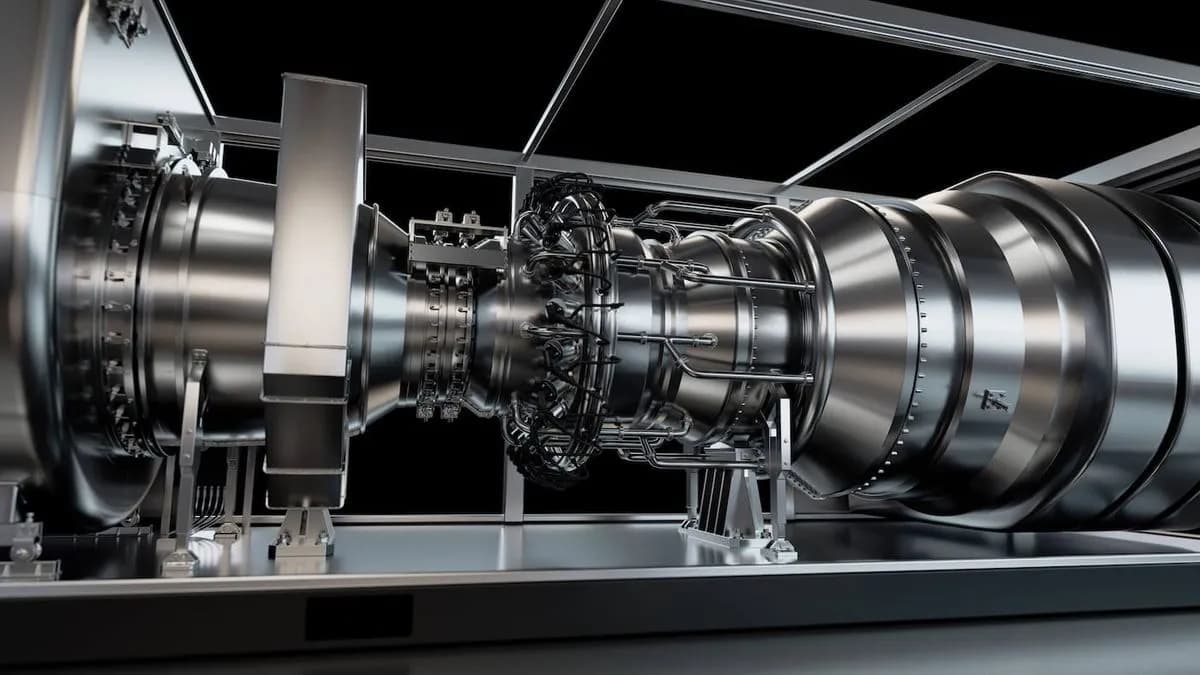
Boom Supersonic has placed an order for three Lithoz CeraFab S65 ceramic 3D printers to manufacture complex casting cores for its industrial gas turbines. This move highlights the company's ongoing commitment to utilizing advanced 3D printing technology in aerospace development.
Overview of the Acquisition
Boom Supersonic is enhancing its manufacturing capabilities by ordering three Lithoz CeraFab S65 ceramic additive manufacturing systems. These printers will be instrumental in producing complex casting cores necessary for the company's single crystal turbine blades used in their "Superpower" industrial gas turbines.
Significance of the Technology
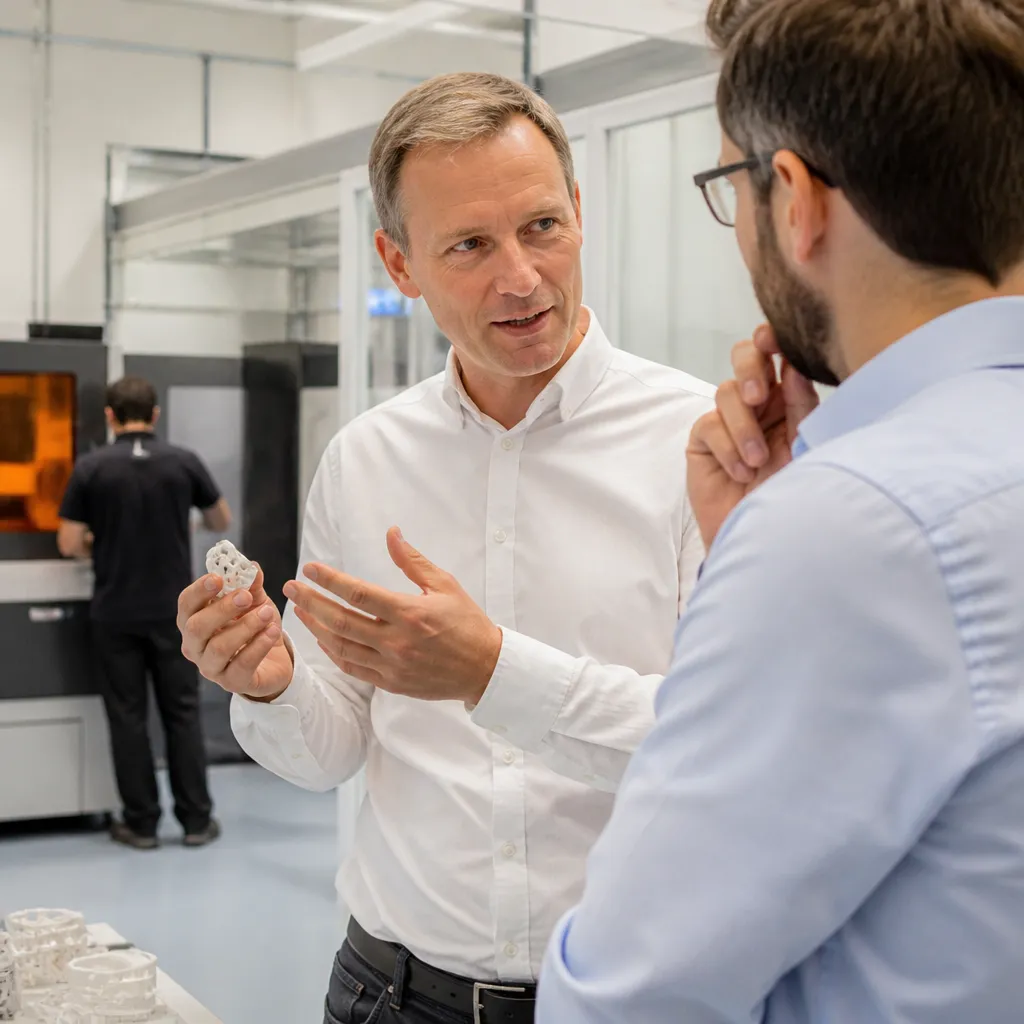
Dr. Johannes Homa, the CEO of Lithoz, expressed pride in seeing a major aerospace Original Equipment Manufacturer (OEM) adopt their Lithoz Ceramic Manufacturing (LCM) technology. He emphasized that the precision of ceramic 3D printing is crucial for applications that require intricate designs and exact repeatability, which are essential for the reliable operation of future aircraft engines.
Previous Uses of 3D Printing at Boom Supersonic
Boom Supersonic, based in Colorado, has a history of integrating 3D printing into its development processes. The company has previously utilized Stratasys' polymer Fused Deposition Modeling (FDM) technology for prototyping and tooling, as well as VELO3D's metal powder bed fusion technology for components in its XB-1 prototype aircraft.
Choice of LCM Technology
Nick Sheryka, Chief Engineer at Boom Supersonic, mentioned that Lithoz's ability to deliver reliable prototypes was a key factor in their decision to adopt LCM technology. He noted that it produced repeatable and dependable results, making it a preferred choice for their in-house turbine blade production.