3D Printing Revolutionizes Prosthetics for Amputees in Northwest Syria
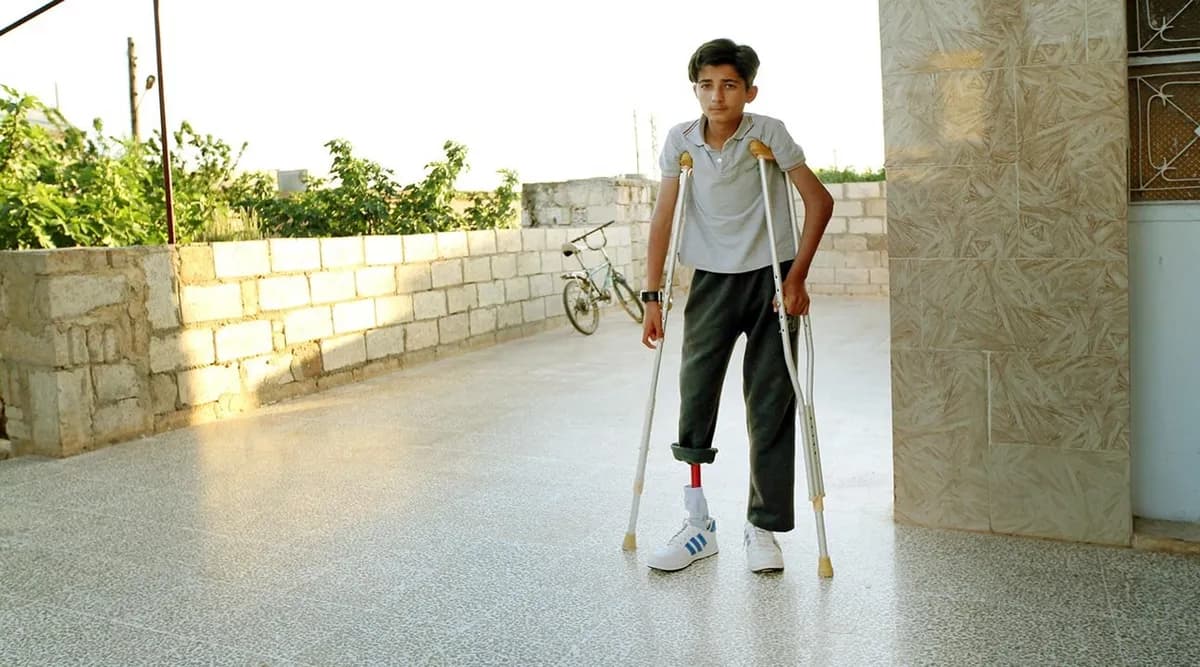
In northwest Syria, prosthetics centers are now utilizing 3D printing technology to provide custom limbs for amputees, addressing a significant shortage of prosthetic services. This innovative approach enables quicker production and lower costs, benefiting many in need, particularly children.
Addressing the Prosthetics Shortage
Prosthetics centers in northwest Syria are increasingly adopting 3D printing to meet the urgent demand for custom limbs, as the country faces a dire shortage of prosthetic services. Since the conflict began in 2011, nearly three million people have been injured, resulting in approximately 86,000 amputees. Two centers in Idlib province now operate entirely on 3D printing, serving between 100 and 150 patients monthly, with four additional centers transitioning to similar technologies.
Modernized Production Workflow
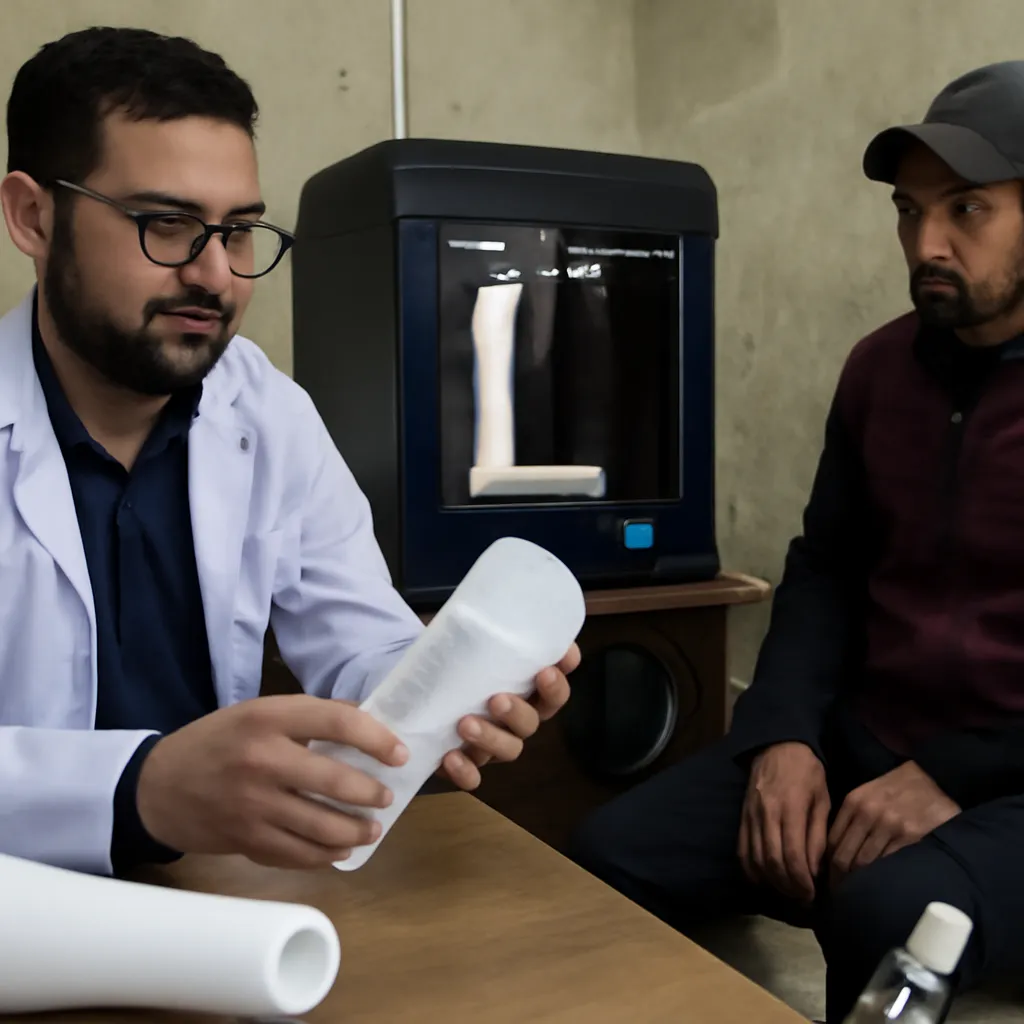
The shift from traditional methods to 3D printing has transformed the entire prosthetics manufacturing process. Alaa Sabri, an orthopedics technician in Idlib, explains that the high demand necessitated a move away from outdated techniques. The new process begins with digital scanning to create precise models, which are then printed layer by layer. This method not only reduces production time—from weeks to about a day—but also allows for easy adjustments and reprints, especially beneficial for children whose needs change as they grow.
Cost and Accessibility Improvements
The introduction of 3D printing has significantly lowered the cost of prosthetics. For example, the cost for a prosthesis has dropped to around $100, compared to $500 for traditional devices. Patients like Adnan al Raslan, whose daughter required a new limb due to a landmine injury, have directly benefited from this technology. However, despite these advancements, the approach is still in its early stages, facing challenges such as equipment shortages and the need for trained specialists.
A Broader Strategy for Conflict Zones
This initiative in Idlib reflects a wider strategy employed by humanitarian organizations to enhance medical care in conflict-affected areas. Similar approaches have been observed in other regions, such as Gaza and The Gambia, where 3D printing and local production are utilized to overcome logistical hurdles and resource shortages. By decentralizing manufacturing, these efforts aim to provide sustainable and accessible healthcare solutions in challenging environments.